Tribal Hummingbird Embroidery: A Designer's Review
As an embroidery designer who has spent years digitizing and reviewing files for commercial use, I approach every new machine embroidery design with a critical eye. It is not just about whether the art looks good on a screen; it is about how that art translates into thread on real-world products. Today, I am reviewing the Tribal Hummingbird Embroidery, a file that promises to celebrate the spirit of flight and tradition. For small business owners, boutique creators, and apparel decorators, this review focuses on how this specific design functions as a tool for building brand identity rather than just a decorative element.
First Impressions: Bold Symbolism Meets Commercial Viability
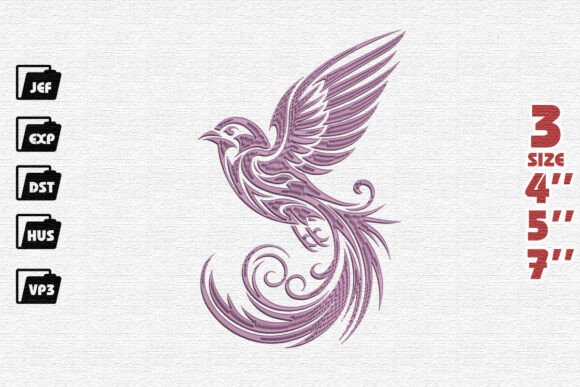
Upon loading the digital embroidery file into my simulation software, the immediate impression is one of strength and cultural depth. The description highlights "bold lines and intricate patterns," and visually, this holds true. Unlike delicate, realistic bird illustrations that can get lost in low-resolution stitching, this tribal interpretation relies on high-contrast geometry. This makes it feel professional, rustic, and undeniably handmade. For a creative studio or a local bakery looking to elevate their aesthetic, this design strikes a balance between modern graphic design and traditional craft. It does not scream "corporate"; instead, it whispers "artisan," which is exactly what many small business merch strategies require today.
The symbolism of the hummingbird—resilience, joy, and energy—combined with tribal linework creates a narrative that customers connect with. When used on custom apparel or branded goods, it tells a story before the customer even touches the fabric. This emotional connection is vital for Etsy sellers and handmade brands trying to differentiate themselves in a crowded marketplace.
Real-World Application: From Patches to Uniforms
The true test of any embroidery asset is its versatility across different substrates. Here is how the Tribal Hummingbird Embroidery performs in various business scenarios:
- Embroidered Patches: This is arguably the strongest use case. The bold outlines of the tribal style are perfect for merrow-edge or laser-cut patches. A florist could use these as hang-tags on bouquets, or a pet brand could sell them as collectible accessories. The density appears sufficient to hold shape without excessive backing.
- Staff Uniforms and Aprons: For a café or boutique, apron embroidery serves as both branding and a mark of quality. Placing this design on the chest or sleeve of a work shirt adds a touch of personality that standard logos lack. The intricate patterns catch the light differently than flat vector logos, adding texture to the uniform.
- Cap Embroidery: The curved surface of a baseball cap or beanie can distort detailed designs. However, because this design utilizes strong, defining lines, it should maintain its integrity on the front panel of a cap, provided the digitizing accounts for the curve.
- Tote Bag Design: Canvas tote bags are a staple for retail shops. The fabric texture of canvas pairs beautifully with the rustic feel of tribal motifs. This design works well as a central focal point on a tote, turning a simple bag into a walking advertisement.
- Product Packaging Accents: Small businesses often overlook packaging. Sewing a small version of this design onto a fabric wrap or a branded pouch adds significant perceived value to the finished product.
Critical Considerations for Production
While the artistic merit is high, a professional reviewer must address the technical limitations. There are specific scenarios where the Tribal Hummingbird Embroidery requires careful handling to ensure a premium result.
First, consider stitch density. Intricate tribal patterns can sometimes lead to high stitch counts in small areas. If you are downsizing this design for a tiny pocket logo or a small patch, you risk the threads merging together, losing the definition of the "intricate patterns" mentioned in the description. Always request or check the minimum size recommendation from the vendor before committing to a run.
Second, be mindful of thread colors and fabric contrast. Tribal designs rely heavily on the negative space between lines. If you attempt this on a dark uniform with dark thread, the detail will vanish. Conversely, using too many color changes for a small run can drive up production costs and time. I recommend testing this in a two-tone scheme first (e.g., black thread on white fabric) to ensure the bold lines stand out clearly.
Finally, curved surfaces and textured fabrics present challenges. On a highly textured fleece or a structured cap, the fine details of the wings might get swallowed by the fabric pile. In these cases, using a firmer stabilizer is non-negotiable to prevent puckering and ensure the bold lines remain crisp.
Elevating Brand Identity and Customer Trust
Why choose a tribal bird over a standard text logo? The answer lies in brand perception. Using the Tribal Hummingbird Embroidery signals that your business values craftsmanship. In the era of mass production, an embroidered item feels substantial and durable. This tangibility builds customer trust. When a client receives a tote bag or a staff member wears an apron featuring this design, it reinforces the idea that the business pays attention to details.
For visual consistency, this design can serve as a secondary brand asset. While your primary logo might be text-based, this hummingbird can act as a seal of quality or a recurring motif across your design assets. It helps create a cohesive visual language that makes your brand instantly recognizable at craft fairs, pop-up shops, or on social media unboxing videos.
Practical Notes for the Professional Embroiderer
Before integrating this into your commercial workflow, adhere to these practical steps to guarantee success:
- Test in Monochrome: Stitch out a sample in black and white first. This reveals the structural integrity of the design without the distraction of color blending.
- Verify Hoop Size: Ensure the design fits within your available hoop size constraints, especially if you plan to embroider on narrow items like hat brims or sleeve cuffs.
- Fabric Testing: Always test on the actual fabric you intend to use. A design that looks great on twill might behave differently on silk or heavy denim.
- Mockup Approval: Create a printable mockup or a digital composite for your client. Seeing the design superimposed on the final product helps manage expectations regarding scale and placement.
- Licensing Check: Crucially, confirm the commercial licensing terms. Just because a file is available for purchase does not automatically grant rights for unlimited commercial embroidery or resale of the stitched items. Ensure the license aligns with your business model.
In conclusion, the Tribal Hummingbird Embroidery is a potent asset for businesses looking to infuse their merchandise with character and tradition. Its bold lines and symbolic nature make it ideal for patches, uniforms, and branded gifts. However, like any complex design, it demands respect for technical limits regarding size and fabric choice. By approaching this embroidery file with a strategic mindset, small business owners can transform a simple stitch pattern into a powerful vehicle for brand storytelling.