Review: Nice Begonia Flower Redwork Embroidery Design
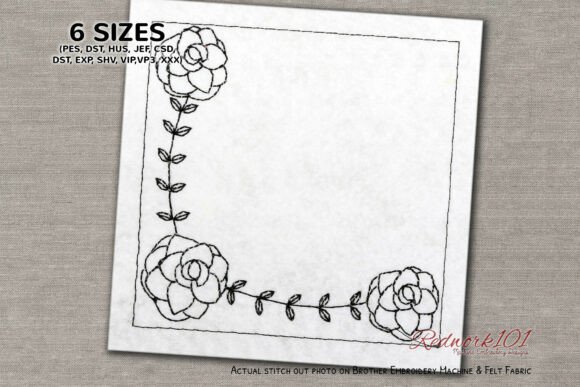
As a designer who spends more time staring at stitch simulations than most people care to admit, I approach every new machine embroidery design with a mix of optimism and skepticism. When I first loaded the Nice Begonia Flower Redwork Embroidery file into my software, my immediate reaction was one of relief. In a market saturated with overly dense, complicated floral motifs that eat up thread and test the limits of tension, this design offers a refreshing return to simplicity. It is a classic redwork style piece, relying on clean outlines rather than heavy fills, which immediately signals versatility for a wide range of embroidery projects.
First Impressions and Visual Personality
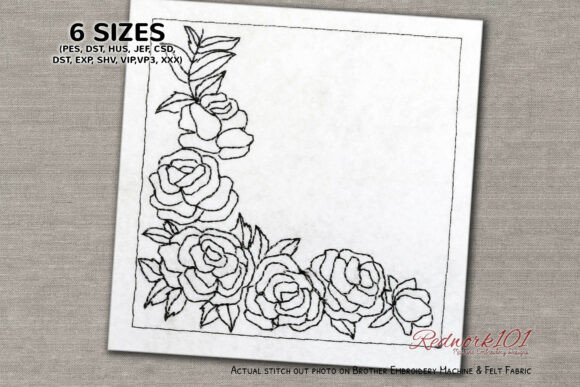
The mood of this design is undeniably vintage and gentle. The begonia flowers, paired with their accompanying leaves, possess a hand-drawn quality that feels organic rather than rigidly geometric. Because it is a redwork-style pattern, the visual weight is carried entirely by the line work. This is crucial for designers because it means the success of the finished product relies heavily on your choice of thread color and fabric texture. There are no satin stitch blocks or complex fill stitch areas to hide behind; every line must be crisp. The layout suggests a natural flow, making it an ideal candidate for Borders or corner accents where you need elegance without overwhelming the substrate.
What stands out most is the balance between detail and openness. The petals are defined clearly, but there is enough negative space within the flower shapes to prevent the design from looking like a solid blob when stitched out on textured materials. This "breathability" in the design is what separates amateur digitizing from professional-grade design assets. It feels like something that belongs on a heirloom quilt or a high-end boutique label, rather than a mass-produced promotional item.
Real-World Application: The Custom Tote Scenario
To truly evaluate the Nice Begonia Flower Redwork Embroidery, I mentally placed it into a real-life client scenario. Imagine a small shop owner preparing a run of custom canvas tote bags for a spring farmers' market launch. The goal is to create a handmade product that feels artisanal but can be produced efficiently. This design fits that brief perfectly. On a medium-weight canvas, the running stitch lines of the begonia would pop beautifully, especially if stitched in a deep terracotta or classic crimson against a natural oatmeal fabric.
Unlike dense floral designs that might cause the canvas to pucker or the bag to feel stiff in that specific area, this lighter approach maintains the drape and utility of the tote. A customer picking up this bag would perceive it as a thoughtful, personalized touch rather than a generic logo slap. For an Etsy seller, this kind of subtlety often translates to higher perceived value. It allows the maker to charge a premium for the "custom" aspect because the design looks intentional and delicate, fitting the current trend of cottage-core and slow fashion aesthetics.
Versatility Across Different Products
Beyond tote bags, the adaptability of this embroidery file is its strongest selling point. Because it lacks heavy density, it is exceptionally well-suited for sweatshirt embroidery where fleece or French terry fabrics can easily get bogged down by too many stitches. A single bloom placed on the cuff or chest of a crewneck creates a sophisticated, understated look. Similarly, for baby embroidery, the soft lines are perfect for onesies or bibs. There are no rough, thick edges that could irritate sensitive skin, making it a safe and beautiful choice for nursery decor or shower gifts.
I also see strong potential for this design in holiday embroidery projects, particularly for kitchen textiles. Imagine a set of linen tea towels featuring a border of these begonias along the hem. The open nature of the redwork ensures that the towels remain absorbent and easy to wash, unlike designs with large fill areas that can trap moisture or become stiff after laundering. For those creating embroidered patches, this design would stitch out cleanly on twill, provided the edges are finished correctly, offering a vintage botanical aesthetic that is currently very popular in streetwear and accessory design.
Technical Considerations and Fabric Challenges
While the design is robust, it is not without its technical demands. As with any outline-heavy machine embroidery design, the choice of stabilizer is critical. On stretchy fabrics like jersey knits or caps, the lack of internal fill means the fabric has more opportunity to distort between the stitch lines. I would strongly recommend using a cut-away stabilizer for garments that will undergo frequent washing or stretching, rather than a tear-away, to maintain the integrity of the begonia's shape over time.
Caution is also advised when working with very dark fabrics. Since redwork traditionally relies on contrast, stitching a red or pink outline on a black or navy background might get lost unless you choose a high-contrast thread color or adjust the design scale. Furthermore, on highly textured fabrics like looped towels or bouclé, the fine details of the leaf veins might get swallowed up. In these cases, testing the stitch density and potentially simplifying the smallest elements via your editing software might be necessary before committing to the final run.
For those considering this for commercial embroidery on curved surfaces like caps, keep in mind that the horizontal spread of the floral arrangement might require careful hooping to avoid distortion at the edges of the frame. Always check the recommended hoop size in the file details to ensure your machine can accommodate the full spread of the border or cluster without re-hooping.
Designer Notes for Best Results
Before integrating Nice Begonia Flower Redwork Embroidery into your inventory or client work, here are a few practical steps I recommend:
- Test on Scrap First: Always stitch a sample on the exact fabric you intend to use. Thread tension can vary wildly between cotton, polyester blends, and linens.
- Check Color Contrast: View your digital mockup in black and white. If the design disappears in grayscale, it likely lacks the contrast needed for visual impact on the final handmade product.
- Verify Licensing: If you plan to sell items made with this design or include it in a bundle of digital embroidery files, confirm the license terms. Some designers allow finished goods sales but restrict digital redistribution.
- Inspect Small Details: Zoom in on the leaf tips and petal connections in your software. Ensure there are no unnecessary jump stitches that could create loose threads on the back of the garment.
- Consider Thread Weight: While 40-weight thread is standard, trying a 30-weight thread could give the redwork lines more presence and a more rustic, hand-stitched appearance.
In conclusion, the Nice Begonia Flower Redwork Embroidery is a thoughtful, well-conceived addition to any designer's library. It bridges the gap between traditional charm and modern minimalism. Whether you are decorating a pillow cover, branding a line of custom apparel, or creating a personalized gift for a wedding, this design offers the clarity and elegance needed to elevate the final result. It respects the fabric it sits on, rather than dominating it, which is the hallmark of truly great embroidery art.