Minimal Leaf Art Embroidery Design Review
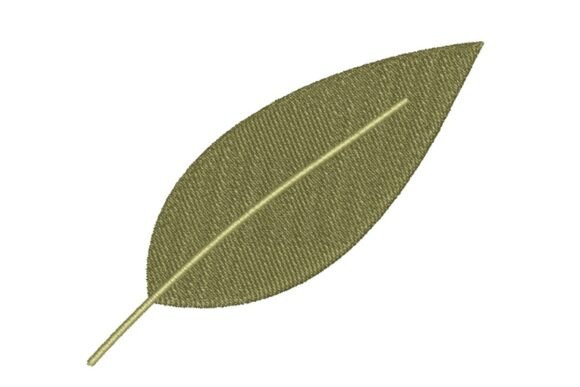
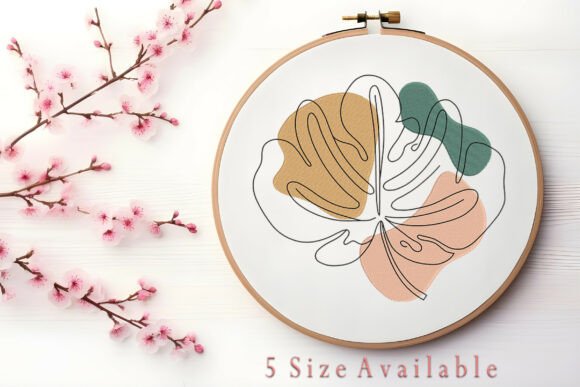
As an embroidery designer preparing for a busy weekend at the local craft fair, my table needs to speak volumes before a customer even says hello. I am currently evaluating the Minimal Leaf Art Embroidery Design to see if it earns a prime spot on my display rack. In the world of handmade product sales, first impressions are everything. When I pulled up this digital embroidery file, the immediate vibe was one of understated elegance. It does not scream for attention with loud colors or complex shading; instead, it whispers sophistication. This fits perfectly into the current market trend where buyers are seeking clean, modern aesthetics that complement their home decor and personal style without feeling cluttered.
The description promises a "timeless floral touch," and upon closer inspection of the digitizing, I can see how this machine embroidery design delivers on that promise. As a Single Flowers category item, it stands alone beautifully, but its true power lies in its versatility. For an Etsy seller or a boutique maker, versatility equals profit. I am envisioning this design stitched onto a natural linen tote bag design. The simplicity of the leaf motif would pop against the textured weave, creating a high-end look that justifies a higher price point than a generic graphic tee. It feels premium, rustic yet refined, and incredibly suitable for the farmhouse-chic demographic that dominates many handmade markets.
Visual Impact on Craft Fair Products
When setting up a booth, you need items that stop traffic. I am considering where the Minimal Leaf Art Embroidery Design would perform best among my inventory. For apron embroidery, this design is a winner. Placed on the bib or the lower corner, it adds a touch of class to a functional kitchen item. Similarly, for tea towel embroidery, the minimal nature of the artwork ensures it does not get lost in the loops of the waffle weave or terry cloth. Unlike dense, heavy designs that can make towels stiff and unattractive, this pattern likely maintains the drape and softness of the fabric, which is a crucial selling point for customers who want beauty without sacrificing utility.
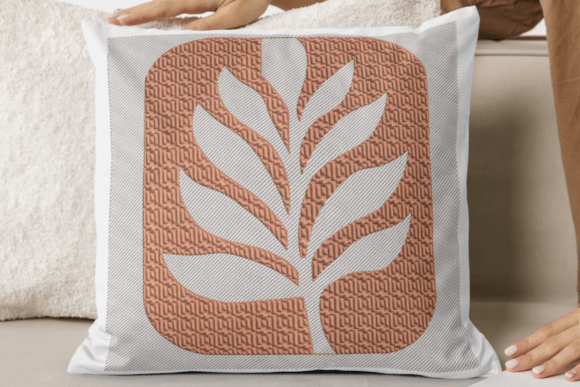
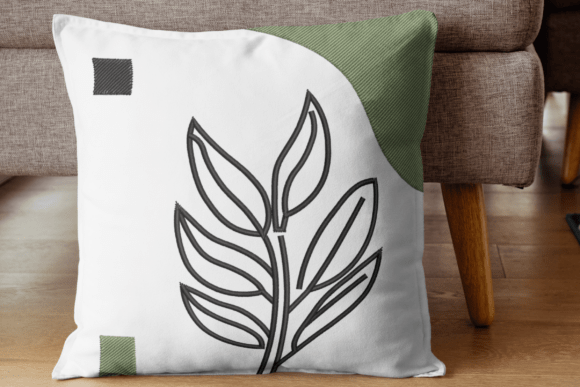
I am also thinking about smaller goods like embroidered patch applications or fabric pouches. Because the design is minimal, it scales down well without losing its identity. A small pouch with this leaf motif could be a perfect impulse buy at the checkout counter. However, for larger focal points like pillow covers or market bags, the design might need to be scaled up significantly to command attention from across the aisle. The key here is balance; as a small shop product, you want the design to look intentional, not like an afterthought. If the stitch count is too low for a large hoop, it might look sparse. Conversely, if the details are too tight, they might blur on thick fabrics.
Production Practicality and Batch Efficiency
From a production standpoint, time is money. One of the biggest advantages of the Minimal Leaf Art Embroidery Design is its potential for speed. Minimalist designs often have fewer color changes and less dense stitching, which means faster cycle times on the machine. This allows me to batch produce dozens of units before the fair even opens. Whether I am running a multi-head machine or a single home unit, efficiency is critical. The design appears to have open spaces and clean lines, suggesting that the stitch density is manageable. This reduces the risk of thread breaks and needle deflection, common issues when working with intricate, heavy fills.
However, practical selling requires honest assessment of limitations. While the design is beautiful, I must consider how it interacts with different materials. On dark fabric, the thread colors chosen for the leaves must have high contrast. A sage green on black might disappear, whereas a cream or gold thread would make the leaf silhouette stand out dramatically. Furthermore, when applying this to curved surfaces like caps, the spacing between elements becomes critical. If the leaves are too close together, the curvature of the hat could cause them to merge visually. It is essential to test the design on a scrap piece of the actual cap material to ensure the registration holds up.
Strategic Considerations for Sellers
For those looking to expand their commercial embroidery offerings, this design offers a safe yet stylish entry point. It appeals to a broad audience, from young adults looking for trendy accessories to older demographics appreciating classic botanical art. To maximize sales, I recommend creating a cohesive collection. Imagine a display featuring the leaf design on a tote, a matching tea towel, and a small pouch, all using the same thread palette. This creates a visual rhythm that draws the eye and encourages multiple purchases. Additionally, for online listings, this design photographs exceptionally well. Its clean lines translate perfectly into a printable mockup or flat-lay photo, making it ideal for digital marketing on social media platforms.
Before committing to a full production run, there are several technical checks every professional should perform. First, always test the design on scrap fabric that matches your final product's weight and texture. A design that looks crisp on quilting cotton might sink into a fluffy towel or pucker on a stretchy knit. Second, review the hoop size requirements. Ensure the design fits comfortably within your available hoops without needing excessive re-hooping, which slows down production. Third, select the right stabilizer. Even minimal designs need proper support to prevent distortion, especially on loose-weave fabrics like linen or canvas.
Finally, verify the licensing terms included with the design assets. While the description mentions it is designed for enhancing clothing and accessories, confirming that commercial use is permitted for finished goods is vital for any business owner. Do not assume; read the fine print. Also, since specific file formats and exact stitch counts were not detailed in the brief description, it is advisable to check the product listing thoroughly before purchase to ensure compatibility with your specific machine brand and model.
In conclusion, the Minimal Leaf Art Embroidery Design represents a smart investment for craft fair sellers and handmade entrepreneurs. Its ability to adapt to various products, from tote bag design applications to delicate tea towel embroidery, makes it a versatile tool in your creative arsenal. By paying attention to fabric choice, thread contrast, and production efficiency, you can turn this simple digital file into a standout finished product that resonates with customers and boosts your bottom line. It is a reminder that sometimes, less truly is more in the world of Embroidery and handmade retail.