Girly Ghost Blowing Embroidery Design Review
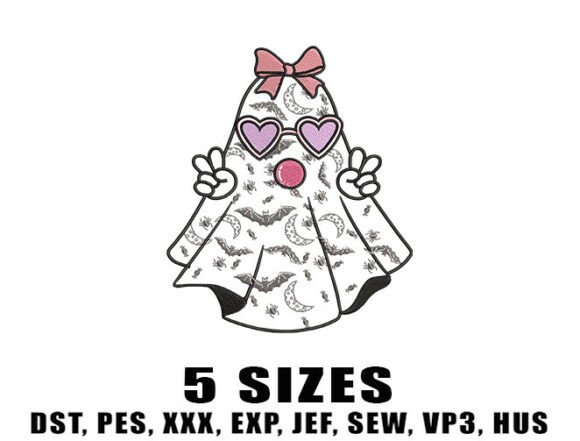
As an embroidery designer who has spent years digitizing and reviewing files for small business merchandise, I approach every new machine embroidery design with a critical eye. It is not just about whether the image looks cute on a screen; it is about how that digital embroidery file translates into a tangible asset for a brand. Today, I am taking a close look at the Girly Ghost Blowing Embroidery Design. This specific file features an adorable Halloween ghost sporting heart-shaped sunglasses and a bow, offering a playful twist on spooky season aesthetics. For boutique owners, café managers, and Etsy sellers looking to inject personality into their small business merch, this design presents some interesting opportunities and specific technical considerations.
First Impressions: Visual Personality and Brand Fit
Upon loading the preview of the Girly Ghost Blowing Embroidery Design, the immediate impression is one of whimsy and approachability. Unlike traditional horror-themed Halloween graphics that rely on jagged lines and dark palettes, this design leans heavily into the "kawaii" or cute aesthetic. The inclusion of heart-shaped sunglasses and a bow softens the ghost figure, making it feel friendly rather than frightening.
For a business owner, this visual language is crucial. This design does not scream "haunted house"; instead, it whispers "fun community event" or "limited edition seasonal treat." It feels modern, decorative, and distinctly handmade. If your brand identity revolves around warmth, creativity, and customer engagement, this graphic aligns perfectly. It avoids the rustic or overly elegant vibes, opting instead for a bold, playful energy that appeals to a younger demographic or families. However, for a corporate law firm or a high-end luxury spa, this might be too casual unless used ironically or for a specific charity drive.
Real-World Application for Small Business Merchandise
The true test of any embroidery file is its versatility in commercial applications. The Girly Ghost Blowing Embroidery Design shines when applied to items that benefit from a touch of seasonal charm without losing professional utility. Here is how I envision this working in a real business scenario:
- Embroidered Patches: This is perhaps the strongest use case. A local bakery could order a run of iron-on or sew-on patches featuring this ghost to attach to paper bags or sell as add-ons. The defined shapes of the sunglasses and bow translate well to patch borders.
- Staff Uniforms and Aprons: For a flower shop or a creative studio, adding this design to the corner of a canvas apron embroidery project creates instant team cohesion during October. It serves as a conversation starter with customers.
- Cap Embroidery: Placed on the side panel or slightly off-center on the front of a dad hat, this design works beautifully. The curved surface of a cap requires careful hooping, but the compact nature of the ghost makes it a viable candidate for cap embroidery.
- Tote Bag Design: Canvas tote bags are staples for boutiques. Using the larger sizes of this design as a central focal point on a tote bag design can turn a simple shopping bag into a collectible item.
- Customer Gifts: Small businesses often give gifts to loyal clients. A handkerchief or a small pouch embroidered with this ghost adds a personal, handmade touch that elevates perceived value.
Technical Considerations and Placement Strategy
While the aesthetic is strong, the technical execution requires attention to detail. The product description notes five available sizes, ranging from 3.8 inches up to 6.8 inches. This range is generous, but it demands strategic planning regarding stitch density and fabric choice.
When scaling down to the 3.8-inch version for a small chest logo or a pocket accent, one must be wary of the details. The heart-shaped sunglasses and the bow contain fine lines. If the thread colors chosen do not have sufficient contrast against the garment, these details may blur together, especially on textured fabrics like heavy fleece or waffle knit. I always advise testing the smallest size on a scrap piece of your actual inventory fabric before committing to a full production run.
Furthermore, curved surfaces present a challenge. If you are applying this to a structured cap, the distortion caused by the curve can elongate the design vertically. You may need to adjust the pull compensation in your digitizing software if you have the editable source file, or simply choose a larger size to maintain clarity. For dark uniforms, ensure you have a plan for underlay stitching or consider using a lighter thread color for the ghost's outline to ensure it pops against the background.
Critical Areas for Careful Implementation
To ensure the finished product meets professional standards, avoid using this design in the following scenarios without prior testing:
- Tiny Lettering Integration: If you plan to add your business name beneath the ghost, ensure the text is large enough. Do not crowd the design.
- High-Stretch Fabrics: On highly elastic materials, the dense stitching required for the sunglasses frames might cause puckering if the correct stabilizer is not used.
- Frequent Washing Items: Staff uniforms that undergo industrial washing daily need robust stitching. Verify that the satin stitches used for the bow and glasses are secure and will not fray quickly.
- Complex Textures: Avoid placing this on looped towels or very rough burlap where the fine details of the face might get lost in the fabric texture.
Impact on Brand Identity and Customer Trust
In the world of commercial embroidery, consistency is key to building trust. Using a cohesive set of design assets like the Girly Ghost Blowing Embroidery Design helps solidify your brand's voice. When a customer sees this character on your packaging, your staff's apron, and your social media printable mockup, it creates a unified narrative. It tells the customer that you pay attention to details and that your brand has a personality.
This level of customization transforms a generic transaction into an experience. A simple coffee cup sleeve is forgettable; a coffee cup sleeve paired with a barista wearing a custom-embroidered ghost apron is memorable. It increases buyer engagement and encourages social sharing, which is invaluable for small business growth. The "handmade" feel of embroidery adds a layer of authenticity that printed graphics often lack, justifying a higher price point for your merchandise.
Professional Designer Notes for Production
Before you purchase and stitch this file for your business, follow these practical steps to ensure success:
- Test in Monochrome: Before buying multiple thread spools, stitch a sample in black and white or a single contrasting color. This reveals the structural integrity of the design without the distraction of color blending.
- Verify Hoop Size: Confirm that your machine's hoop size can accommodate the largest version (6.8 inches) if you plan to use it. Not all standard hoops fit this dimension.
- Check Commercial Licensing: Always read the license terms included with the digital embroidery file. Ensure you have the rights to use the design for physical goods you intend to sell.
- Create a Mockup: Use design software to place the ghost on a photo of your actual product. This helps visualize scale and placement before a single thread is stitched.
- Stabilizer Selection: Match your stabilizer to your fabric. A cut-away stabilizer is often best for garments that will be washed frequently, while tear-away may suffice for decorative totes.
- Compare Assets: Place this design beside your existing logo. Ensure the line weights and styles complement each other rather than clashing.
In conclusion, the Girly Ghost Blowing Embroidery Design is a versatile and charming asset for businesses looking to capitalize on the Halloween season with style. By respecting the technical limitations of embroidery and strategically placing the design on appropriate products, you can create merchandise that delights customers and strengthens your brand identity. Just remember to check the specific file formats and stitch counts provided by the seller to ensure compatibility with your specific machinery before starting production.