Fresh Italian Salad Embroidery Design Review
As I prepare my booth for the upcoming weekend craft fair, I am constantly evaluating which digital embroidery file will bring the most energy to my table. This year, my focus is on kitchen and lifestyle goods that speak to the love of fresh food and home cooking. That is why I am taking a close look at the Fresh Italian Salad Embroidery Design. Before I commit to stitching this onto dozens of items, I need to know if it has the visual punch required to stop a scrolling customer in their tracks.
First Impressions and Aesthetic Appeal
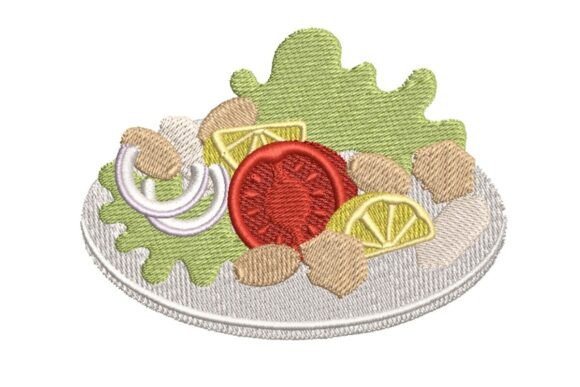
The moment I pulled up the preview of the Fresh Italian Salad Embroidery Design, the first thing that struck me was its vibrant potential. In the world of Food themed Embroidery, there is a fine line between looking appetizing and looking messy. This design seems to walk that line well. The description highlights a colorful arrangement on a light grey oval plate, which suggests a modern, slightly rustic yet clean aesthetic. It feels less like a cartoon and more like a stylized representation of a farmer's market find.
For a craft fair product, immediate recognition is key. Customers walking down an aisle have seconds to decide if they want to stop. A salad design might seem niche, but given the current trend toward healthy living and home cooking, it hits a sweet spot. It feels decorative and premium, suitable for someone who takes pride in their kitchenware. The use of a light grey plate provides a neutral base that allows the greens, reds, and yellows of the ingredients to pop, making it an excellent candidate for a handmade product line that aims for sophistication over whimsy.
Product Applications and Sales Potential
When planning my inventory, I ask myself: where does this design live best? The Fresh Italian Salad Embroidery Design is versatile, but some applications will undoubtedly outperform others.
- Aprons and Tea Towels: This is the natural home for this design. An apron with a large, central salad motif tells a story of fresh ingredients and home-cooked meals. Similarly, a tea towel embroidery featuring this art would be a top seller for housewarming gifts. The oval shape of the plate fits perfectly on the lower half of an apron or the center of a towel.
- Tote Bags: As a tote bag design, this could work wonderfully for grocery shoppers or farmers market goers. It reinforces the utility of the bag while adding a touch of personality. However, the background fabric of the tote must be light enough to let the "light grey" plate show through, or the plate color may need to be adjusted in the software.
- Patches and Pouches: If digitized as a standalone element without the full background, this could make a fantastic embroidered patch for denim jackets or canvas pouches. It adds a fun, foodie element to accessories.
- Pillow Covers: For home decor, a pillow cover featuring this design could anchor a kitchen nook or dining area, adding a splash of color to a neutral room.
For an Etsy seller or boutique maker, the key is creating a cohesive collection. Imagine a display featuring the apron, matching towel, and a small zippered pouch, all bearing the same salad motif. This cross-merchandising strategy increases the average transaction value.
Production Realities and Technical Considerations
While the design looks beautiful on screen, production realities often dictate success at a craft fair. The description mentions "various textured ingredients," which implies a need for careful attention to stitch density. If the digitizer has packed too many stitches into the leafy greens or tomato slices, the result could be a stiff, puckered mess, especially on lighter fabrics.
Here are the critical factors I consider before running a batch:
- Fabric Texture: Waffle weave towels are popular, but they can distort fine details. If the salad ingredients have tiny elements, they might get lost in the texture of a thick towel. I would recommend testing on a flat-weave linen or cotton canvas first.
- Thread Colors: The success of this machine embroidery design relies heavily on thread colors. Greens need to vary in shade to show depth; otherwise, the salad looks flat. Reds must be vibrant but not bleeding into the grey plate. Checking the color chart against your physical thread inventory is essential.
- Hoop Size and Placement: The oval plate suggests a specific orientation. You must confirm the hoop size required. If it requires a large hoop, it limits your ability to stitch multiple items at once or use smaller hoops for caps and patches.
- Stabilizer Selection: Because food designs often involve fill stitches, using the right stabilizer is non-negotiable. A cut-away stabilizer is likely best for items that will be washed frequently, like aprons and towels, to prevent the design from sinking into the fabric over time.
Visual Impact and Customer Engagement
In a crowded marketplace, visual appeal drives sales. The Fresh Italian Salad Embroidery Design offers a high level of detail that invites customers to come closer. Unlike a simple monogram, a complex food illustration encourages conversation. A customer might say, "Oh, I love making salads," or "That looks just like my lunch!" This engagement is gold for a small shop owner.
Furthermore, the design photographs well. For online listings, a crisp image of the embroidered salad on a crisp white towel creates a strong printable mockup or real-life photo. The contrast between the colorful veggies and the grey plate ensures the image stands out even on small mobile screens. This clarity translates to higher click-through rates for digital sellers offering the file itself, as buyers can clearly see the quality of the stitch work.
Designer Notes for Success
To ensure the Fresh Italian Salad Embroidery Design becomes a best-seller rather than a shelf-warmer, I advise fellow makers to take these practical steps:
- Test on Scrap Fabric: Never run a full batch without a test stitch-out. Check how the "light grey" plate renders on your specific fabric color.
- Check Spacing: Ensure there is enough space between the ingredients so they don't merge into a single blob of thread after washing.
- Review Commercial Licensing: If you are selling finished goods, confirm that the license for the design assets allows for commercial use. Some creators only allow personal use.
- Create a Real Mockup: Before listing on Etsy, stitch one perfect sample. Use it for your primary photos. Real photos always outsell digital mockups for handmade goods.
- Consider Dark Fabrics: If you plan to put this on a navy or black tote, remember that the light grey plate might disappear. You may need to add a backing layer of white fabric or adjust the design file to include a white underlay or border.
Ultimately, the Fresh Italian Salad Embroidery Design represents a wonderful opportunity for commercial embroidery businesses targeting the home and kitchen niche. It balances artistic flair with relatable subject matter. By paying attention to the technical details of stitch density, fabric choice, and presentation, this design can become a staple in your finished product lineup. Whether you are a seasoned pro or a new creative entrepreneur, this design offers the kind of charm and quality that turns browsers into buyers.